

What is the advantage of cold-formed steel framing?
One of the biggest cold-formed steel framing benefits is improved productivity. Faster installation, reduced labor, greater accuracy and less rework help reduce overall project costs while improving project outcomes. While material cost is often the first comparison with timber, productivity gains typically have a greater impact on the total cost and efficiency of a construction project.
When evaluating framing systems, it's easy to focus on the upfront material cost. However, the most successful builders and developers look beyond the price per meter to the productivity of the entire construction process. Faster installation, repeatable manufacturing, reduced rework and improved project certainty are where cold-formed steel framing delivers its greatest value.
How Does Cold-Formed Steel Framing Improve Productivity and Project Performance?
When we talk about steel framing productivity, we mean how efficiently you can move a project from design to completion.
A framing system that appears cheaper upfront can deliver a far more expensive project when you factor in site labor, weather delays, and rework. The better question is not "Which material is cheaper?" It is: "Which system helps us build more efficiently?"
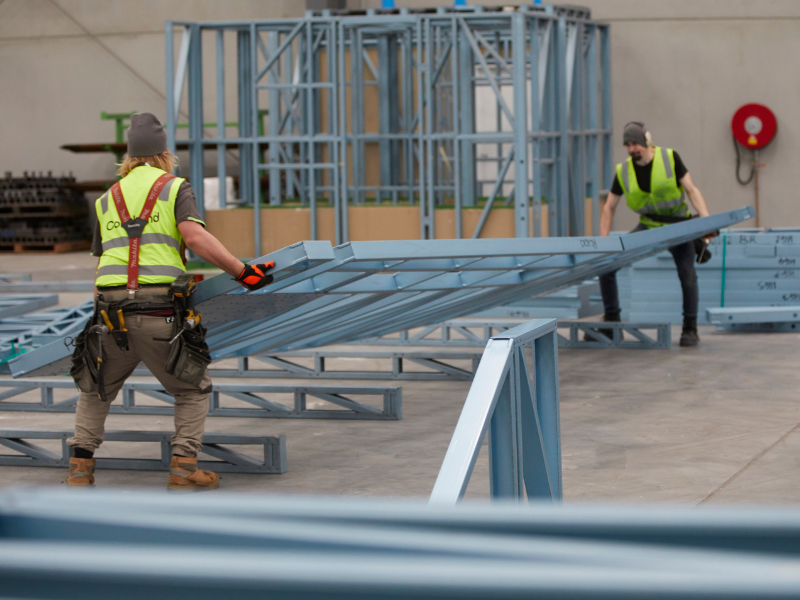
CFS framing brings a manufacturing mindset to construction-engineered design, automated production, and repeatable assembly, working together to eliminate the variability that costs time and money on site. When that system is run well and detailing is done with assembly and installation in mind, the productivity advantage becomes tangible. Building with a steel framing system results in faster installation, less rework and crews that spend their time building rather than problem-solving on site. Instead of comparing material costs at the start, the true savings often show up with less time spent on site during the build.
The businesses that benefit most are those that leverage repetition. Multi-unit residential developments, government housing programmes, modular construction, student accommodation and hospitality projects are where CFS consistently outperforms traditional methods because design, detailing and production workflows are invested once and reused across the run. Every repeat gets faster. Every repeat gets more profitable.
The Four Areas that Drive Productivity in Cold-Formed Steel Framing
Productivity in CFS is the product of four interconnected areas:

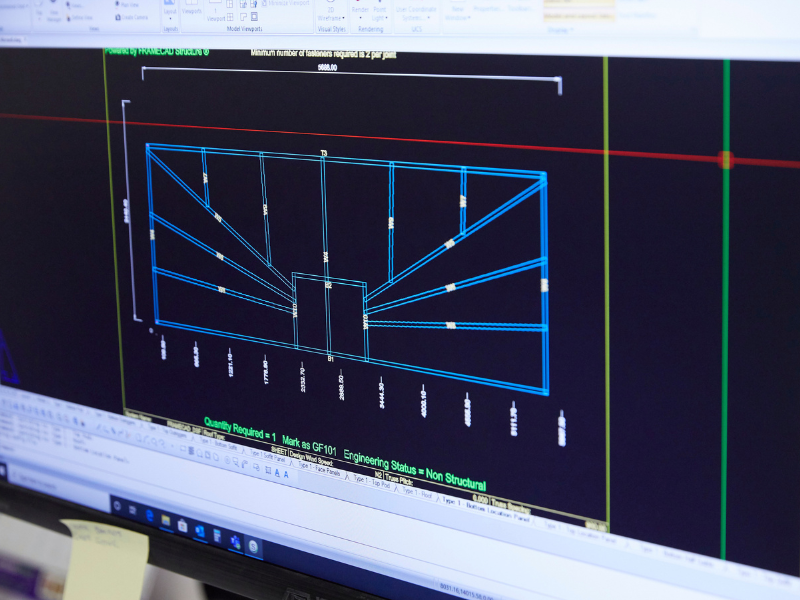
Design and Detailing - The detailing decisions made in the office flow directly to site labor cost. Alignment features, hole patterns and smart geometry are either designed in - or designed out - before a single steel frame is rolled.
Roll forming - Manufacturing output depends on line speed and punch speed working together, supported by integrated software and reliable service. Headline specs matter, but they tell only half the story. When evaluating steel framing productivity, focus on how all the pieces integrate: a machine optimized not just for speed, but for producing frames that assemble faster and with fewer errors on site.
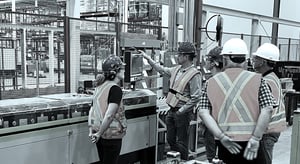
Factory Set-up - Layout of your steel framing factory determines your daily throughput. Coil placement, de-coiler positioning, steel framing machine placement, assembly workflow, and storage either enable steel framing to move smoothly or create bottlenecks
Assembly and Installation - Assembly productivity is determined by specific, learnable techniques, staging, sequencing, and the right division of labor between machine operator and assembly crew.
Conclusion
Over the years, we’ve seen steel framing productivity transform project performance by improving labor efficiency, installation speed, repeatability and project certainty.
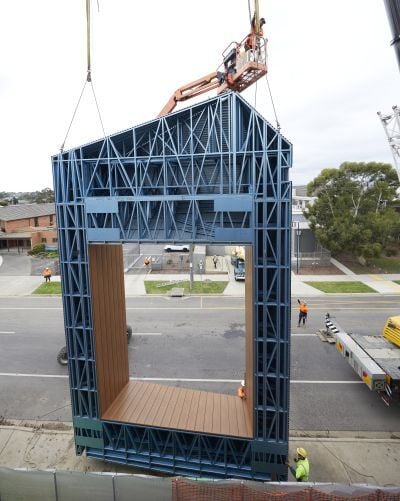
Cold-formed steel framing improves project outcomes by reducing labor, accelerating installation, improving repeatability and creating more predictable construction programs. As labor shortages, project complexity and delivery pressures continue to grow, these productivity gains are becoming even more valuable than material cost comparisons alone.
If you're evaluating cold-formed steel framing productivity, talk to our team. We can help you build your business case.
Frequently Asked Questions about Cold-Formed Steel Framing
How do you calculate the return on investment of cold-formed steel framing?
ROI is typically calculated by comparing the total project cost, including labor, installation time, material waste, equipment, rework and project duration, against traditional framing methods. Many businesses also consider increased production capacity, faster project delivery and the ability to complete more projects each year.
What industries benefit most from cold-formed steel framing?
Cold-formed steel framing is widely used in residential, multifamily, commercial, education, healthcare, hospitality and modular construction. It is particularly effective on projects that require repeatable designs, predictable schedules and efficient manufacturing processes.
Can cold-formed steel framing help address skilled labor shortages?
Yes. Because components are precision manufactured, on-site assembly is more streamlined and requires fewer manual adjustments. Standardised manufacturing and installation processes can also help businesses train new workers more efficiently and improve workforce productivity.
What should you look for when choosing a cold-formed steel framing solution?
Look beyond the roll-forming machine itself. Consider the complete solution, including engineering and detailing software, manufacturing automation, technical support, training, service and the supplier's ability to help your business scale as demand grows.