
Cold-Formed Steel Construction: Why Builders Are Switching Faster Than Ever
Cold-formed steel construction is transforming commercial buildings because it delivers faster build times, improved fire safety, precision manufacturing, and greater design flexibility compared to traditional materials like timber and concrete. Ideal for mid-rise developments, cold-formed steel (CFS) helps developers reduce labor costs and accelerate project delivery.
Why Cold-Formed Steel Construction Is Growing Fast
Commercial builders are under increasing pressure to deliver projects faster, safer and more efficiently. That’s why cold-formed steel construction is becoming a preferred solution for hospitals, schools, assisted living facilities and mid-rise buildings.
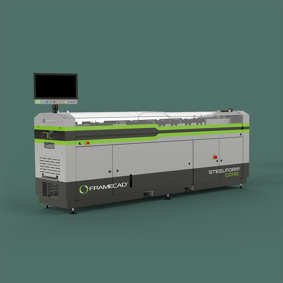
Scott Fournier, President of Integrated Steel Solutions and principal structural engineer with more than 30 years of experience, believes the shift toward steel framing is only accelerating. His team combines advanced FRAMECAD technology with a manufacturing-first mindset to streamline construction and improve efficiency across every project.
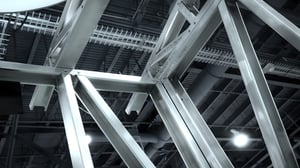
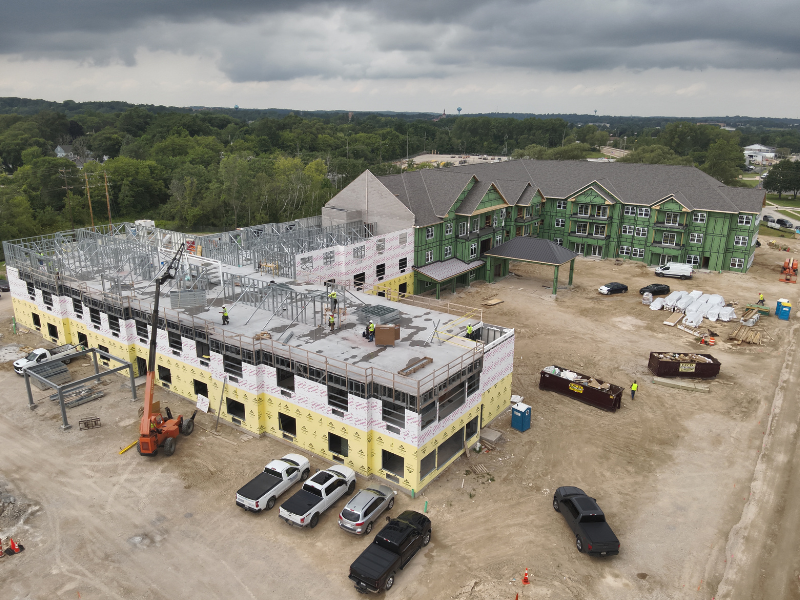
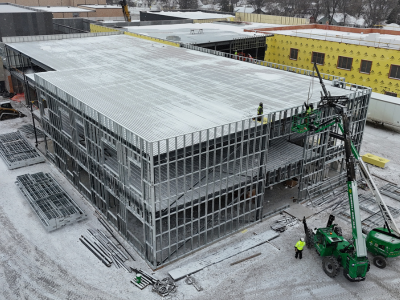
Unlike traditional timber framing, cold-formed steel is lightweight, non-combustible and highly precise. It can replace heavier systems like post-tension slabs and structural steel in many four-to-ten-story buildings while reducing installation time and onsite labor.
The Biggest Benefits of Cold-Formed Steel Construction
Faster Construction Timelines
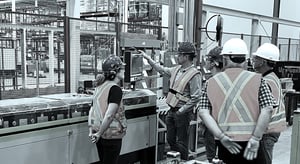
Using prefabricated wall panels and steel fabrication technology, components arrive onsite ready to install. This speeds up assembly, minimizes delays and reduces costly rework.
Better Fire Safety
Cold-formed steel is non-combustible, making it easier for projects to meet stricter fire safety regulations, particularly important in healthcare and high-density residential developments.
Precision Manufacturing
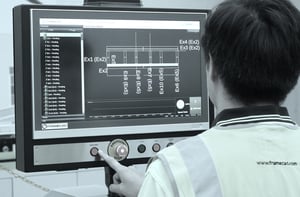
Steel framing software and machines allow frames to be produced with millimeter-level accuracy, improving finished building quality and reducing onsite issues.
Greater Design Flexibility
Cold-formed steel construction enables architects and engineers to create more complex building designs without sacrificing efficiency or structural performance.
Real-World Applications of Cold-Formed Steel
Integrated Steel Solutions has delivered a wide range of projects using cold-formed steel construction, including:
-
Seven-story hospital projects completed under tight weather conditions
-
Schools and assisted living facilities requiring rapid construction
-
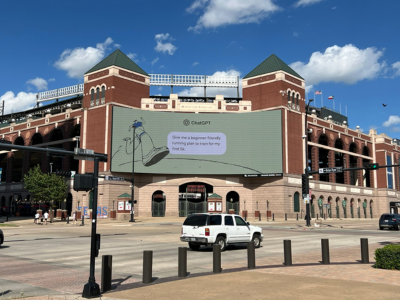
Custom framing systems for large-scale LED video boards in stadiums and Times Square
These projects highlight the versatility of cold-formed steel across commercial and specialized construction applications.
 |
 |
Why Industry Education Matters
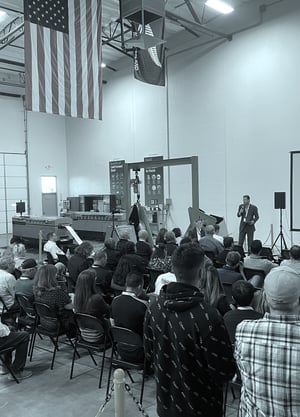
Despite the advantages, many contractors and trades are still unfamiliar with steel framing systems. Scott emphasizes that education and collaboration are critical to wider adoption.
Trades quickly discover that steel framing reduces common problems like warping, shrinkage, and finishing inconsistencies. Once teams experience the benefits firsthand, confidence in cold-formed steel construction grows rapidly.
The Future of Commercial Building
As labor shortages, safety requirements and construction costs continue to rise, cold-formed steel construction is positioned to become a major part of the future of commercial building.
For developers and builders looking to improve efficiency, safety and project speed, cold-formed steel offers a proven and scalable solution.
Interested in how cold-formed steel construction is transforming commercial buildings?
Scott shares his experience, industry insights and real-world projects using advanced steel framing systems and roll-forming technology. Watch the full podcast here.
Frequently Asked Questions about Cold-Formed Steel Construction
What is cold-formed steel construction?
Cold-formed steel construction uses lightweight steel framing manufactured through precision engineering and roll-forming for commercial and residential buildings.
Why is cold-formed steel better than timber?
Cold-formed steel is non-combustible, resistant to warping, highly accurate and often faster to install using prefabricated systems.
Can cold-formed steel support multi-story buildings?
Yes. Cold-formed steel construction is particularly effective for buildings between four and ten stories.
How does FRAMECAD improve steel framing?
FRAMECAD software and manufacturing systems help engineers design, model, and fabricate steel framing components with high precision for faster onsite assembly.
Is cold-formed steel construction cost-effective?
Yes. Faster construction timelines, reduced labor, improved accuracy, and lower rework costs can make cold-formed steel highly cost-effective for commercial projects.