
How Resilience and Offsite Construction are Driving CFS Growth
Why is cold-formed steel framing gaining momentum?
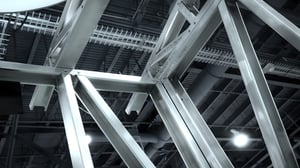
Cold-formed steel framing is gaining momentum because it combines lightweight construction, non-combustibility, dimensional stability and recyclability, all into a product that can be manufactured offsite. These characteristics support faster construction, resilient building design, and more efficient use of materials and labor.
Cold-formed steel (CFS) is already widely used across North American commercial construction. But as developers, engineers and contractors look for new ways to address resilience, labor availability and construction efficiency, its potential applications are expanding.
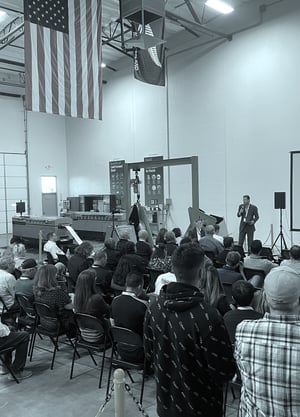
Don Allen, Executive Director of the Steel Framing Industry Association (SFIA), recently discussed what is driving this opportunity and where the industry could go next on Steel Framing Connections podcast.
Resilience is becoming a bigger construction priority
Extreme weather and natural hazards are putting greater focus on how buildings perform over the long term.
For projects in areas exposed to wildfire, hurricanes, high winds and termites, material selection can play an important role in resilience. Cold-formed steel is non-combustible, does not provide a food source for termites and offers a higher strength-to-weight ratio than wood.
This combination gives developers another option when considering how framing materials can support both structural requirements and long-term building performance.

Offsite construction can help address labor challenges
Skilled labor availability continues to be a challenge for construction.
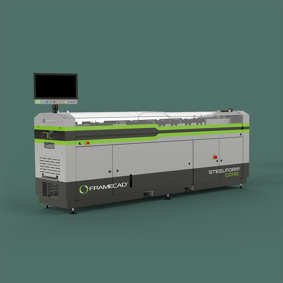
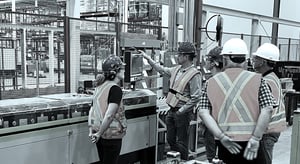
Cold-formed steel framing is the highest-performing material for offsite manufacturing, where components can be produced to specified dimensions and assembled into panels before arriving onsite.
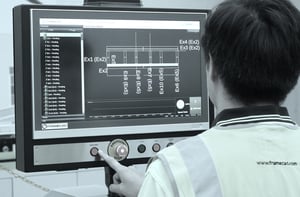
Moving more of the construction work into a controlled manufacturing environment can reduce the amount of cutting and adjustment required in the field. It can also support more repeatable processes and allow onsite teams to focus more on installation and everything else that goes after the framing.
For developers and contractors looking for greater predictability, this shift from traditional onsite construction to manufacturing-led processes is an important part of the CFS opportunity.
Steel offers opportunities beyond traditional applications
Cold-formed steel is already familiar to many contractors through its use in commercial construction, but its potential extends well beyond non-load-bearing walls.
Load-bearing CFS can support mid-rise and multi-story construction, while its light weight characteristics make it valuable for additions to existing structures where additional dead load needs to be carefully considered.
New construction sectors are creating opportunities too. Data centers, for example, require tall internal partitions, corridors and containment systems that combine durability with fire-rated assemblies and fast installation.
These applications demonstrate the versatility of cold-formed steel framing across a changing construction market.
Could greater awareness accelerate CFS adoption?
The technology, engineering standards and manufacturing capabilities behind cold-formed steel framing are already established.
The bigger opportunity may be awareness.
As more developers, engineers and contractors understand where CFS can provide value, the material has the potential to move beyond applications where it has traditionally been specified.
With resilience, labor efficiency and offsite construction becoming increasingly important considerations, cold-formed steel framing is well positioned to play a larger role in North American construction.
Hear more from Don Allen, Executive Director of the Steel Framing Industry Association, in the latest episode of Steel Framing Connections.
Watch the full podcast episode below.
Frequently Asked Questions About Cold-Formed Steel Framing
When should cold-formed steel be considered during a project?
Ideally, framing systems should be considered early in the design process. Early evaluation gives developers, engineers and contractors the opportunity to assess structural requirements, constructability, manufacturing, installation and project-specific constraints before key design decisions are locked in.
Does cold-formed steel require specialist engineering?
Cold-formed steel structures need to be designed in accordance with the applicable codes and standards. Depending on the project, this may require engineers with specific knowledge of CFS member design, connections, load paths and system behavior.
Can cold-formed steel be used alongside other structural materials?
Yes. Cold-formed steel can form part of a hybrid structural approach and be used alongside materials including masonry, wood, structural steel, and concrete. The appropriate combination depends on the building design, loads, height, construction method and project requirements.
What should project teams consider when evaluating cold-formed steel?
Rather than comparing framing materials on price alone, teams should consider the wider construction process. This can include engineering, manufacturing, transportation, onsite labor, insurance costs, risk management, safety, installation time, waste, structural requirements and how the framing system affects the overall project schedule.