


How design, engineering and manufacturing are making cold-formed steel framing a more competitive alternative to traditional wood framing
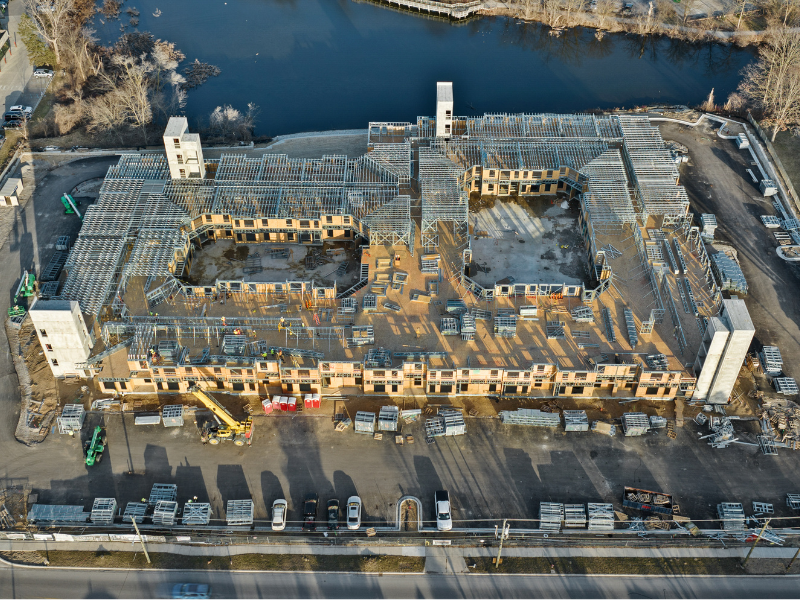
For decades, wood has been the default framing material for many construction projects across the US, but as developers, contractors, engineers and architects look for greater predictability, efficiency and resilience, cold-formed steel framing is becoming an increasingly compelling alternative.
According to Stanley Adwell, CEO and co-founder of Intellisteel, the challenge hasn’t necessarily been convincing the construction industry of the benefits of steel. It has been making the transition from an established way of building commercially viable.
So, what has changed?
Why are builders considering cold-formed steel framing?
Wood construction is deeply embedded in the industry. General contractors have established purchasing processes, skilled labor, supplier relationships and project workflows built around it. Moving to a different framing system can therefore involve much more than simply choosing another material.
Yet there are reasons project teams are looking for alternatives.
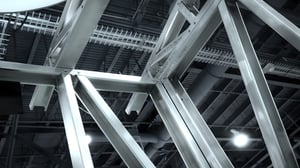
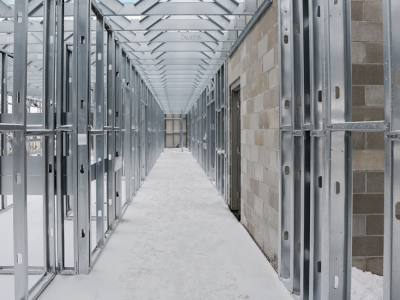
Cold-formed steel (CFS) framing offers consistency and dimensional stability. Steel does not warp, shrink or rot, and it is non-combustible. These characteristics can make it attractive to teams looking to improve building performance while reducing some of the variability associated with traditional framing.
The bigger opportunity comes when cold-formed steel is considered part of the design and engineering process, rather than simply as a substitute for wood.
Can cold-formed steel framing compete with wood?
For Stanley, this was the critical question.
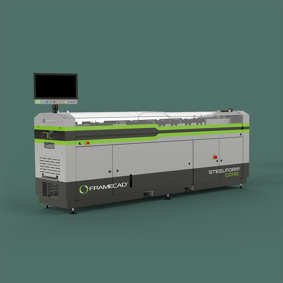
He explains that the breakthrough came when his team invested time in design and engineering to determine how cold-formed steel could genuinely compete with wood. Once they achieved that, the conversation with builders changed.
Instead of asking contractors to accept a premium simply to gain the benefits of steel, the focus became delivering a framing solution capable of competing with the construction system they already knew.
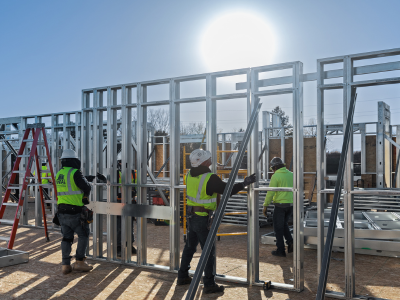
For developers and contractors evaluating steel framing vs wood framing, this means looking beyond the price of individual studs. Engineering, manufacturing, labor, installation, predictability and overall project delivery can all influence the true cost of a framing system.
 |
 |
Why does early design and engineering matter?
CFS framing can deliver greater value when framing decisions are made early.
Integrating engineering and framing considerations into the design process can help teams optimize the structure before construction begins, reduce unnecessary complexity and design with manufacturing and installation in mind.
For architects and engineers, that means considering constructability alongside structural performance. For developers and contractors, it means evaluating the impact of the framing system across the entire project rather than comparing materials on unit cost alone.
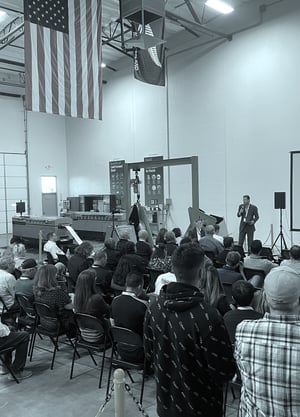
Hear Stanley share how design, engineering and manufacturing are helping cold-formed steel framing compete with wood and changing the way builders think about steel construction. Watch the full podcast episode below.
Frequently Asked Questions About Cold-Formed Steel Framing
Where is cold-formed steel framing used?
CFS framing can be used in a range of residential and commercial applications, including wall, floor and roof systems. The suitability of the system depends on the building design, structural requirements and project objectives.
Does cold-formed steel framing reduce construction time?
It can. When framing is designed for efficient manufacturing and installation, greater precision and prefabrication can help streamline work on site. The overall time savings will depend on the project, design and construction method.
When should cold-formed steel framing be considered?
Ideally, teams should evaluate cold-formed steel early in the design process. This gives architects, engineers, contractors and developers more opportunity to optimize the framing system rather than attempting to substitute steel for wood after key design decisions have already been made.
Is it time to rethink wood framing?
Wood remains deeply established in US construction, but advances in design, engineering and manufacturing are changing the equation.
As cold-formed steel becomes increasingly competitive, project teams have an opportunity to look beyond traditional material comparisons and consider how the entire framing system can contribute to better project outcomes.