
The Complete Guide to Steel Trusses for Steel Frame Houses: Design, Performance and Steel Framing Essentials
Introduction
I’ve spent much of my career working in construction technology, especially in steel framing, but also with materials like concrete and timber, so I’ve seen how each behaves in real projects. In a steel frame house, steel trusses aren’t just another component - they’re a major contributor to structural integrity and long-term performance.
In this guide, I want to break down what steel trusses are, how they integrate into modern steel framing, and why they’re becoming a preferred choice for developers looking for accurate and reliable buildings.
What Are Steel Trusses? A Straightforward Explanation
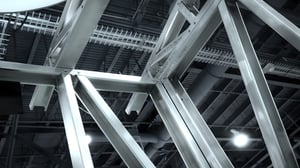
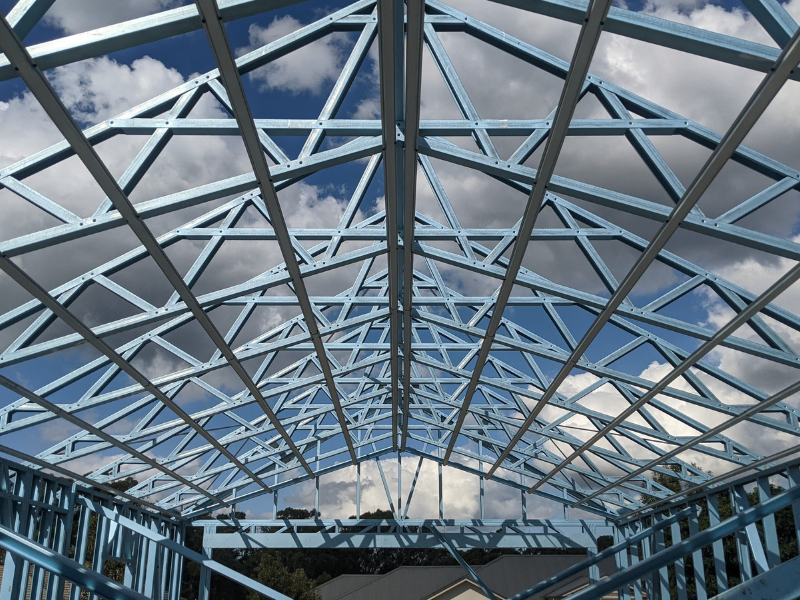
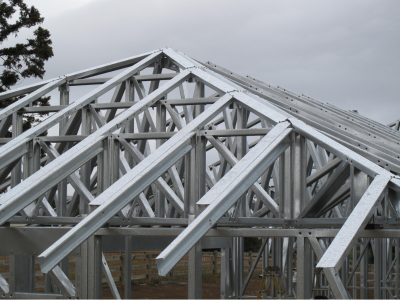
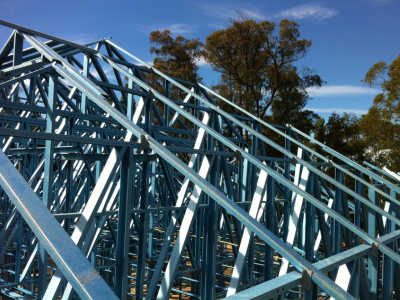
Steel trusses are engineered assemblies made from cold formed steel, designed to transfer roof loads efficiently through a building’s steel framing system. Their strength-to-weight performance, consistent geometry and resistance to fire and corrosion make them well-suited to modern construction. Because cold-formed steel components are manufactured with automated machinery, steel trusses integrate perfectly into the accuracy-driven world of computer-aided manufacturing.
How Steel Trusses Integrate into a Steel Frame House
A steel frame house relies on its structural components working together as a unified system—roof, walls and floors all aligning with precision. Steel trusses support this by transferring loads directly into steel framing walls, maintaining straight roof lines over time, and matching the geometry of prefabricated wall panels. As steel frame houses become more common in residential markets, dependable truss performance is increasingly important for meeting structural, regulatory and energy requirements.
Building a Steel Frame: How Trusses Improve Speed and Accuracy
From my experience, one of the biggest advantages of building with steel is predictability. Steel trusses enhance that predictability because they arrive at the site engineered, are lightweight and ready to install. Steel trusses also improve onsite safety and overall construction speed as lighter components reduce lifting risks.
 |
 |
Steel Trusses in Modern Metal Frame Houses
Metal frame houses continue to grow in popularity as developers and homeowners look for durable, resilient and low-maintenance structures. Steel trusses contribute to this by offering non-combustible performance and dimensional stability. Because they don’t warp, shrink or twist, they maintain accurate roof lines in the long term. In metal frame houses, the combination of steel trusses and steel framing delivers a stable, long-lasting structural envelope that performs well in demanding environments such as coastal, seismic and high-wind regions.
Steel Trusses in Timber Frame Construction
While steel trusses are most commonly paired with steel wall frames, they also integrate extremely well into timber framing. In many markets, this hybrid approach is becoming a popular step for builders who want the performance of steel without moving entirely away from their established timber systems. Because steel trusses are manufactured with precise geometry, they align cleanly with timber wall plates, reducing onsite adjustments and help maintain consistent roof levels. Because steel trusses are lighter than many traditional alternatives, they place less demand on the structure and foundations, allowing the overall building design to be more efficient.
How Digital Design Strengthens Truss Performance
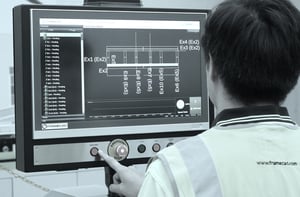

Another reason I’ve leaned so strongly toward steel framing over the years is how well it aligns with modern digital design approaches such as DfMA. Steel trusses can be developed within a model-driven process that integrates engineering and manufacturing from the outset, allowing designs to move seamlessly into production with full traceability. This approach ensures roof, wall, and floor systems are engineered as a single coordinated structure. In practice, that leads to fewer errors, less rework, and a far more predictable outcome on site.
Key Considerations When Specifying Steel Trusses in Steel Framing Projects
Whether you’re designing a steel frame house or a larger metal frame building, there are a few important considerations to get right from the start. Span lengths, roof geometry and bracing requirements all influence the final design. Connection details, transport logistics and services (MEP) integration also play important roles. Addressing these early makes the entire steel framing process smoother, especially when paired with offsite manufacturing.
Sustainability: Why Steel Trusses Support Greener Steel Frame Houses
Although it’s sometimes misunderstood, steel framing delivers strong sustainability benefits, and steel trusses play a part in that. Steel is 100% recyclable, manufacturing processes generate minimal waste, and material efficiency is high. A steel frame house built with steel trusses typically offers a longer lifespan, maintains structural performance over time and reduces maintenance requirements. These advantages lower the environmental footprint across the building’s lifecycle.
Final Thoughts: The Role of Steel Trusses in the Future of Steel Framing
From what I’ve seen across both residential and commercial projects, steel trusses are becoming increasingly important as more developers adopt steel framing. When you combine accuracy, durability, design flexibility and digital manufacturing, it’s clear why steel trusses are now a central part of how steel frame houses and metal frame houses are being built.
For anyone designing or building a steel frame, trusses aren’t just structural components - they’re fundamental to achieving a faster, more predictable and longer-lasting result.
Want to learn more about how steel framing can transform your next project? Reach out to industry experts here.