
Taking Greater Control of Construction Costs, Timelines and Profit Margins
Why are home builders investing in steel framing machines?
Home builders are investing in steel framing machines to bring frame manufacturing in-house, reduce reliance on external suppliers and gain greater control over construction costs and schedules. Combined with offsite panelization, automated steel frame manufacturing can improve production accuracy, reduce on-site labor requirements and help builders protect profit margins.
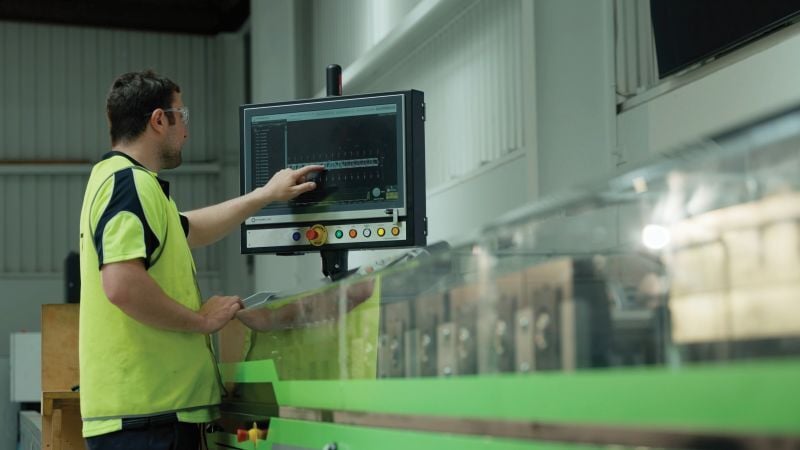
Labor shortages, unpredictable supply chains and tighter margins are changing how residential builders operate.
Framing is one of the most critical stages of construction, yet many builders either stick-build or rely on external suppliers to manufacture and deliver their frames. When delays occur, the impact can extend across the entire building schedule.
For builders looking to improve efficiency and profitability, investing in a steel framing machine offers an opportunity to take greater control of this process.
1. From Traditional Framing to Offsite Panelization
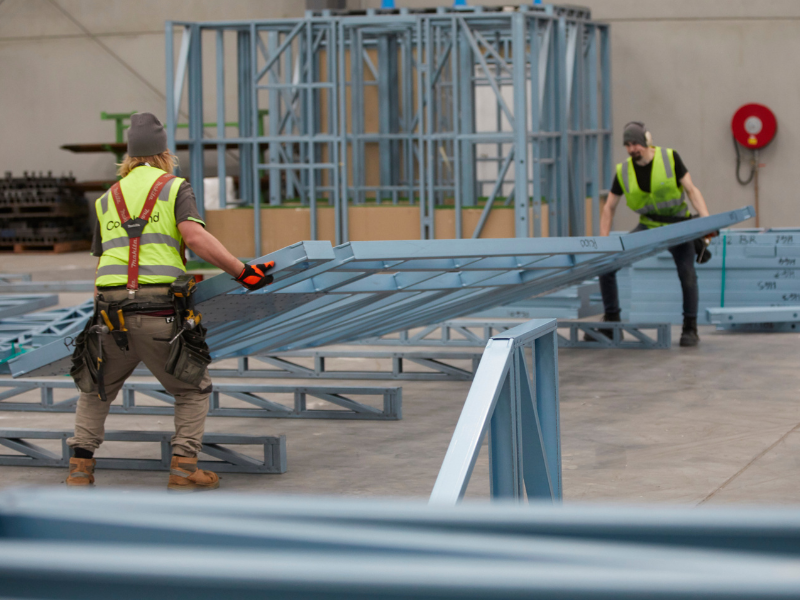
Traditional stick-built construction relies on skilled tradespeople measuring, cutting and assembling framing components on site. This process can be time-consuming and vulnerable to weather conditions and labor availability.
Offsite panelization offers an alternative. Wall frames, roof trusses and floor systems are manufactured in a controlled environment before being transported to site for installation.
For builders, this means:
-
Less on-site labor: Prefabricated frames reduce the amount of assembly work required.
-
Faster installation: Components arrive ready for assembly, helping projects progress.
-
Greater accuracy: Digital design and automated production help reduce manufacturing errors.
-
Less waste: Precisely manufactured components minimize unnecessary cutting and offcuts.
Cold-formed steel (CFS) is particularly suited to panelization because it is lightweight, dimensionally stable and does not shrink, warp or twist due to moisture changes.
As Peter Blythe from Dynamic Steel Frame explained on FRAMECAD's Steel Framing Connections podcast:
"Less people are able to stick-build a good house, and builders want a frame up very quickly and they want to do that design on screen first."
By combining offsite panelization with automated steel framing technology, builders can reduce their reliance on traditional on-site construction methods while improving consistency.
2. Taking Control of the Supply Chain
Outsourcing framing means working around a supplier's production schedules, lead times and pricing.
For builders managing multiple projects, this can make it difficult to coordinate deliveries and keep construction moving.
Having an in-house roll former provides greater flexibility to plan production around individual projects.
Frames can be manufactured when required, with wall panels, trusses and floor systems produced in the sequence needed for installation.
This approach supports just-in-time manufacturing, helping reduce unnecessary storage and delays between construction stages.
Jason Schaller from Vitruvian Steel highlighted the value of this approach during his appearance on Steel Framing Connections:
"We are vertically integrated and building for ourselves, so we control the supply chain on everything... Because we control the supply chain, we control a lot of the costs."
Greater control over framing production can help builders manage project schedules more predictably, particularly when delivering several homes simultaneously.
3. Improving Profit Margins Through In-House Manufacturing
When builders purchase frames from third-party manufacturers, the price includes materials, production costs, overheads and the supplier's margin.
Bringing manufacturing in-house creates an opportunity to retain more of that value within the business.
Automated steel framing machines can also help reduce costs through material optimization, fewer manufacturing errors and less on-site assembly work.
For builders delivering a consistent volume of homes, these efficiencies can contribute to improved profitability and cash flow.
As Jason Schaller questioned during his podcast interview:
"Framing is the biggest trade we have on the job. So why don't we buy the machines, buy the steel and manufacture for ourselves?"
Of course, establishing an in-house operation requires investment in equipment, facilities and staff. The financial benefits depend on production volume and operating costs.
However, for builders with a steady pipeline of projects, manufacturing their own frames could provide greater cost visibility and a valuable long-term business capability.
Making Steel Frame Manufacturing More Accessible
Historically, steel frame manufacturing required significant investment in machinery, infrastructure and specialist expertise.
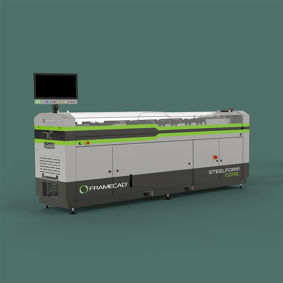
FRAMECAD Steelform Core provides a more accessible entry point for home builders looking to invest in their first steel framing machine.
FRAMECAD has long been known for roll formers that deliver the highest production output in the industry, but that performance has traditionally come at a premium. Steelform Core changes that.
Designed for residential and smaller-scale construction applications, Steelform Core enables automated manufacturing of components for wall frames, roof trusses and floor systems, supporting structures up to three levels.
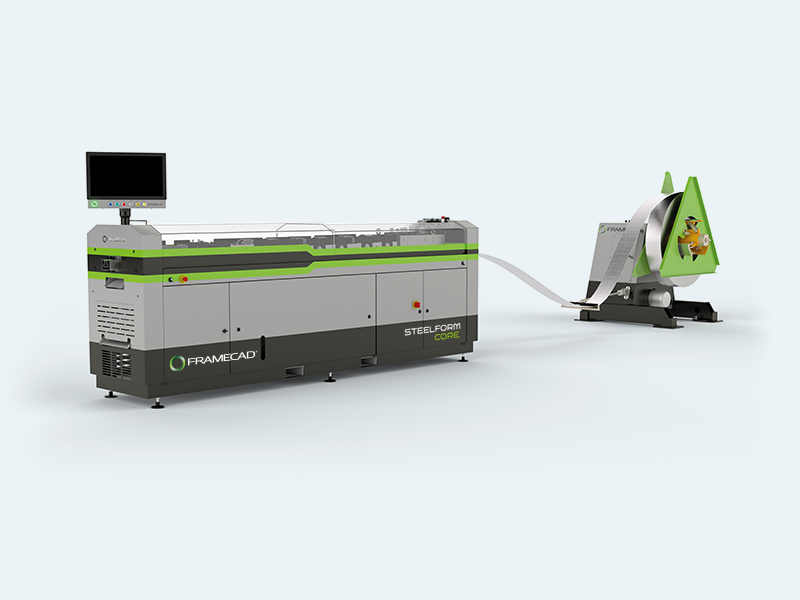
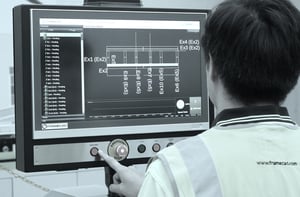
By connecting digital design with manufacturing, the system helps builders produce accurately formed steel components while reducing reliance on manual production processes.
As part of FRAMECAD's wider technology ecosystem, the Steelform Core also provides access to design & engineering software and Nexa production management and opportunities to expand manufacturing capabilities as demand grows.
For builders considering bringing production in-house, it offers a practical starting point.
Is a Steel Framing Machine Right for Your Business?
The decision to invest in a steel framing machine depends on construction volume, available space, staffing and the potential savings compared with outsourcing.
Once you've decided to bring steel framing manufacturing in-house, the next step is choosing the right equipment. Learn what to consider when choosing a steel framing machine, from production output and reliability to energy efficiency and software connectivity.
For builders with consistent project demand, the opportunity goes beyond manufacturing frames. It is about connecting design, production and installation into a more efficient construction process.
With FRAMECAD Steelform Core, bringing steel framing in-house is becoming a more achievable option for businesses looking to improve operational control and protect margins.
Ready to explore in-house steel framing?
Explore FRAMECAD Steelform Core and talk to our team about the right manufacturing setup for your business.
Frequently Asked Questions About Steel Framing Machines
How many homes does a builder need to construct to justify a steel framing machine?
There is no fixed number. The financial case depends on annual production volume, equipment costs, operating expenses and potential savings compared with outsourcing. The FRAMECAD team can support with ROI calculations.
Do builders need previous steel framing experience to use the Steelform Core?
Previous experience can be beneficial, but FRAMECAD provides software, training and technical support to help businesses establish steel framing operations. We have online and in person training available to support your journey. Our team will guide you every step of the way, from your first design to your first completed frame.
How could builders improve profit margins?
Builders can manufacture their own steel frames using FRAMECAD roll formers for themselves and others, creating an additional revenue opportunity.
What space is required for a steel framing machine?
Space requirements depend on production volume, machine configuration, material storage and frame assembly needs. FRAMECAD can help businesses assess their manufacturing requirements and ideal factory layouts