
Why is Cold Formed Steel Worth Considering?
Cold formed steel (CFS) gives developers, architects, engineers and contractors a precise, non-combustible and recyclable framing option that works particularly well with offsite manufacturing. When considered early in the design process, cold formed steel framing can support efficient construction, reduce material waste and help create more resilient buildings.
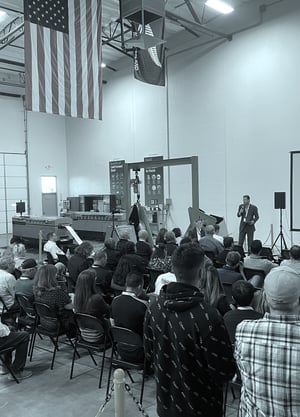
David Chai, Co-Owner and CEO of Orlando Steel Framing, recently discussed these advantages, along with the growing role of offsite manufacturing and smarter construction methods, on the Steel Framing Connections podcast.
What are the Benefits of Cold Formed Steel Construction?
Choosing a framing system affects far more than the structure itself. It can influence engineering, labor, construction sequencing, material waste, site logistics and long-term building performance.
Here are four reasons project teams are considering cold formed steel construction.
1. Building for greater resilience
Resilience is becoming an increasingly important consideration when selecting building materials.
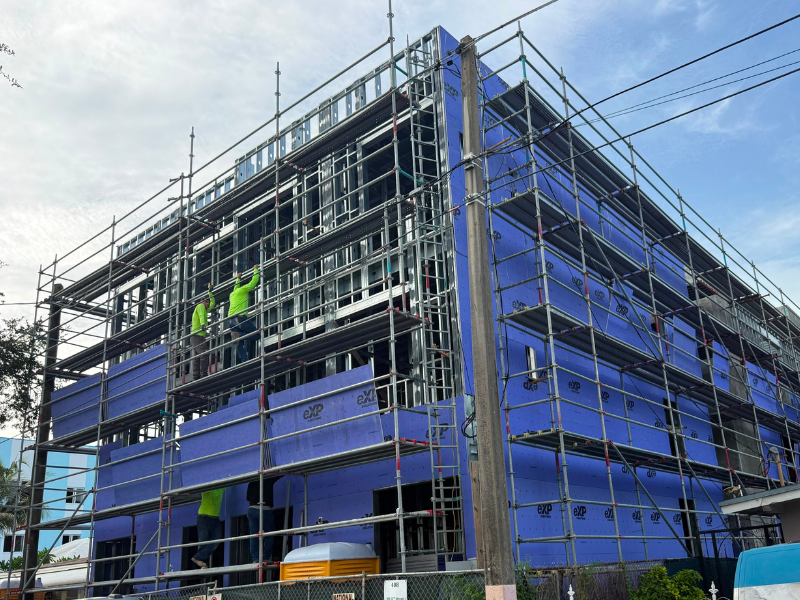
Steel is non-combustible, making cold formed steel particularly relevant where fire risk is a concern. Other regional challenges, including hurricanes, moisture and termites, are also encouraging project teams to consider alternatives to traditional framing materials.
For developers and building owners, this creates a broader question - how will today's material decisions affect the building's performance and cost of ownership in the future?
2. Moving more construction offsite
One of the advantages of cold formed steel framing is its suitability for precision manufacturing.
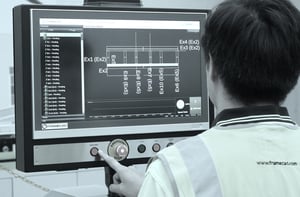
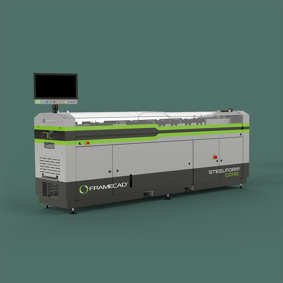
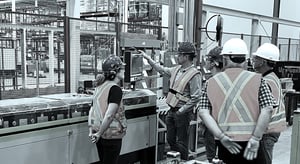
Components can be designed digitally and manufactured in a controlled factory environment before being delivered to the site. This allows teams to identify and address potential issues during the design process rather than relying on modifications in the field.
For repeatable projects such as multifamily developments and townhomes, this manufacturing-led approach can also create greater consistency across the project.
3. Improving jobsite efficiency
Offsite manufacturing can improve more than production.
Panels can be manufactured, organized and delivered according to the planned assembly sequence. On sites with limited staging space, this can help contractors manage materials and workflow more efficiently.
It requires close coordination between the manufacturer and onsite team, but it creates an opportunity to think about design, manufacturing, delivery and installation as one connected process.
4. Reducing material waste
Because CFS components can be manufactured according to precise digital designs, the process can reduce cutting and modifications onsite.
Steel is also recyclable. Manufacturing offcuts can be repurposed where practical or sent for recycling when they can no longer be used.
For project teams looking to reduce construction waste while improving production efficiency, this can make CFS an attractive option.
David shares how cold formed steel, offsite manufacturing and smarter construction methods are helping shape the future of building. Watch the full podcast episode below.
Frequently Asked Questions About Cold Formed Steel
When should cold formed steel be considered?
Ideally, cold formed steel should be considered early in the design process.
A project that has already been structurally engineered around timber, concrete block or another system may require redesign before it can use CFS.
Early collaboration between the developer, architect, structural engineer, manufacturer and contractor allows the team to determine whether cold formed steel construction is appropriate before major design decisions are locked in.
Is cold formed steel right for your project?
CFS isn't the answer to every building. Project type, structural requirements, location, budget, engineering, schedule and site conditions all need to be considered.
But as the construction industry looks for ways to build more efficiently and resiliently, cold formed steel framing deserves a place in the conversation, particularly before structural design is finalized.